STERNAT LENZ
Location: Leutschach, South Styria
Hectares: 6
Home vineyard: Remschnigg
Farming: certified biodynamic since 2021
Winemaking: wild yeasts, zero sulfur, small and large old barrels
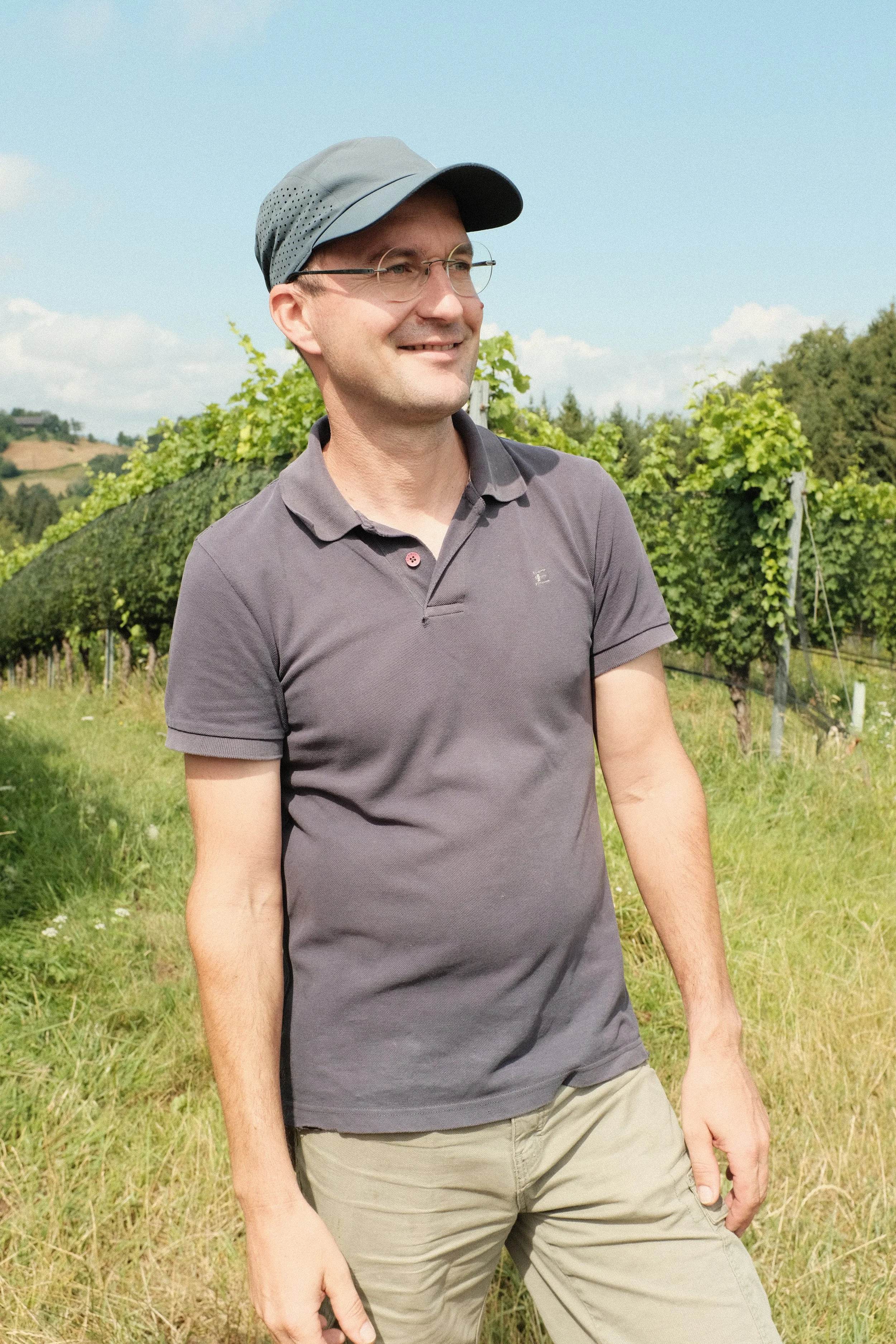
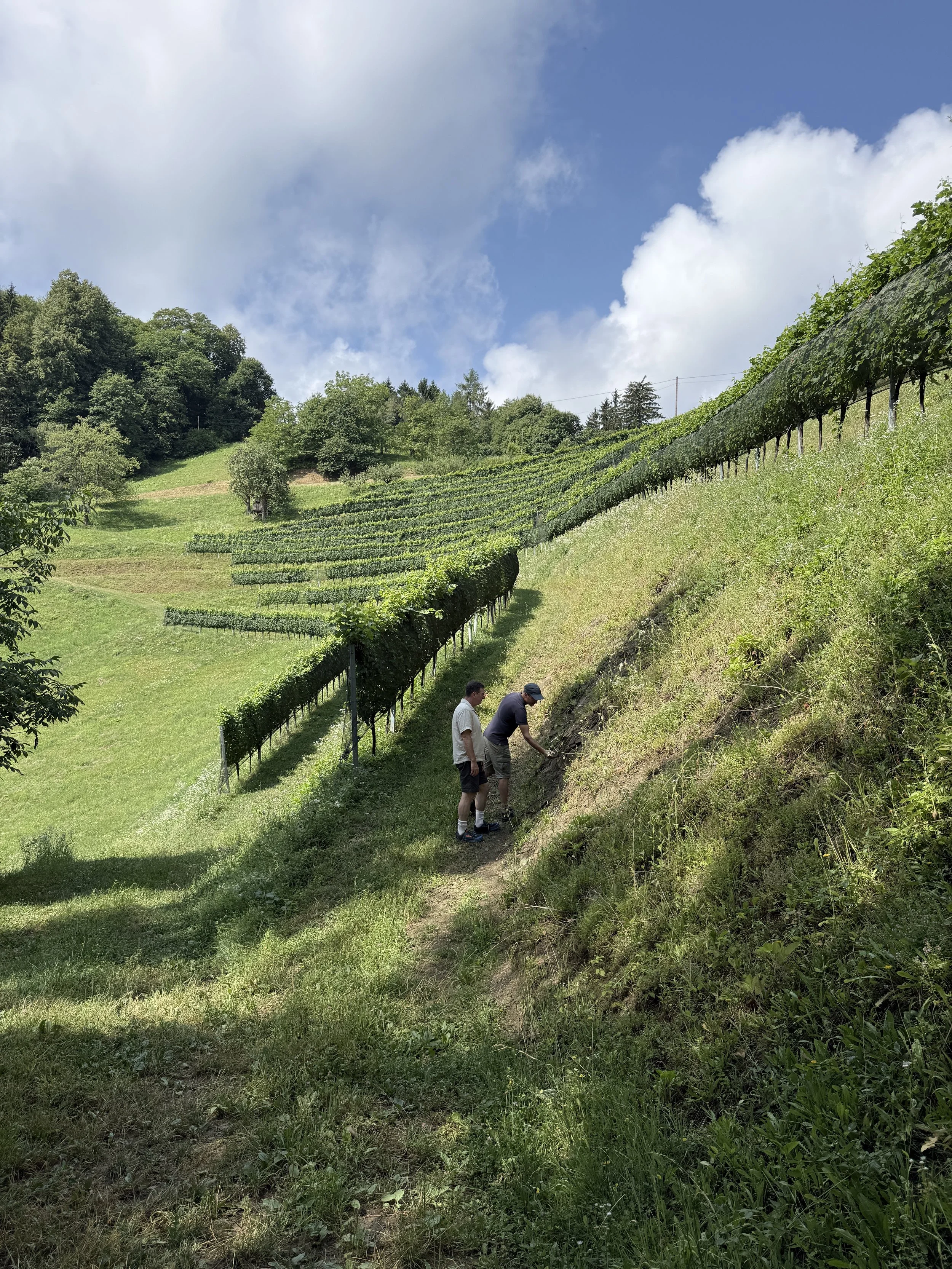
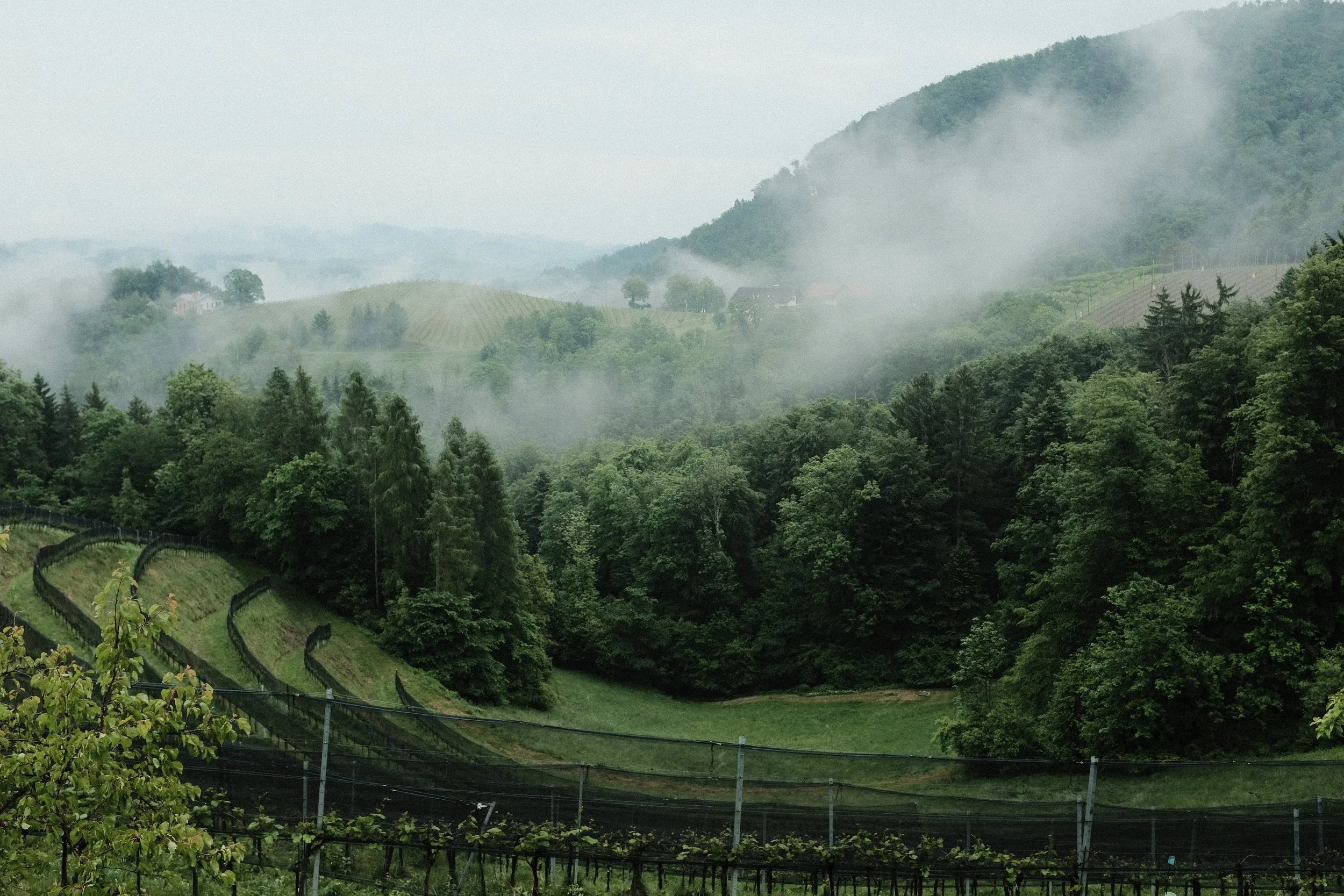
The drive to Sternat Lenz takes you weaving along the Austrian-Slovenian border until you find yourself deep in an Alpine forest just above the village of Leutschach. Further up, and further into the forest you go (looking for the legendary wild hedgehogs that make their homes here), until you crest above the tree line at 1700 feet and see the dramatic, terraced, amphitheater vineyard that’s home to Herbert and Carina Sternat. Herbert grew up here, in the home that’s long been a bed & breakfast and one of South Styria’s best buscheschanks (winery taverns), next to the barn that’s adorned with black and white photos of his grandparents and great grandparents, who farmed here generations before him. There’s something utterly joyful about this place and the more time we’ve spent with Herbert and Carina, the more we understand why. They both possess a bit of a “no-stress” demeanor (however insane that seems for two people with young children, a b&b, winery tavern, AND a winery), and an afternoon at Sternat-Lenz is always a magical visit. I’ve pointed out to Herbert, on multiple occasions, that he seems so happy, so at ease. Calm. And his response is always delivered with a little bit of surprise: “why wouldn’t I be happy?” One gets the sense that if you follow the Sternat formula (farm just enough to sustain your family, don’t futz too much, spend most of the time in your vines), then of course, why wouldn’t you be happy? And don’t think the happiness stops with the humans. The cacophony of birds that live in the surrounding trees can only signal vitality and contentment, and likewise, the family’s sheep seem totally blissed out on their slice of paradise. The happiness is infectious here.
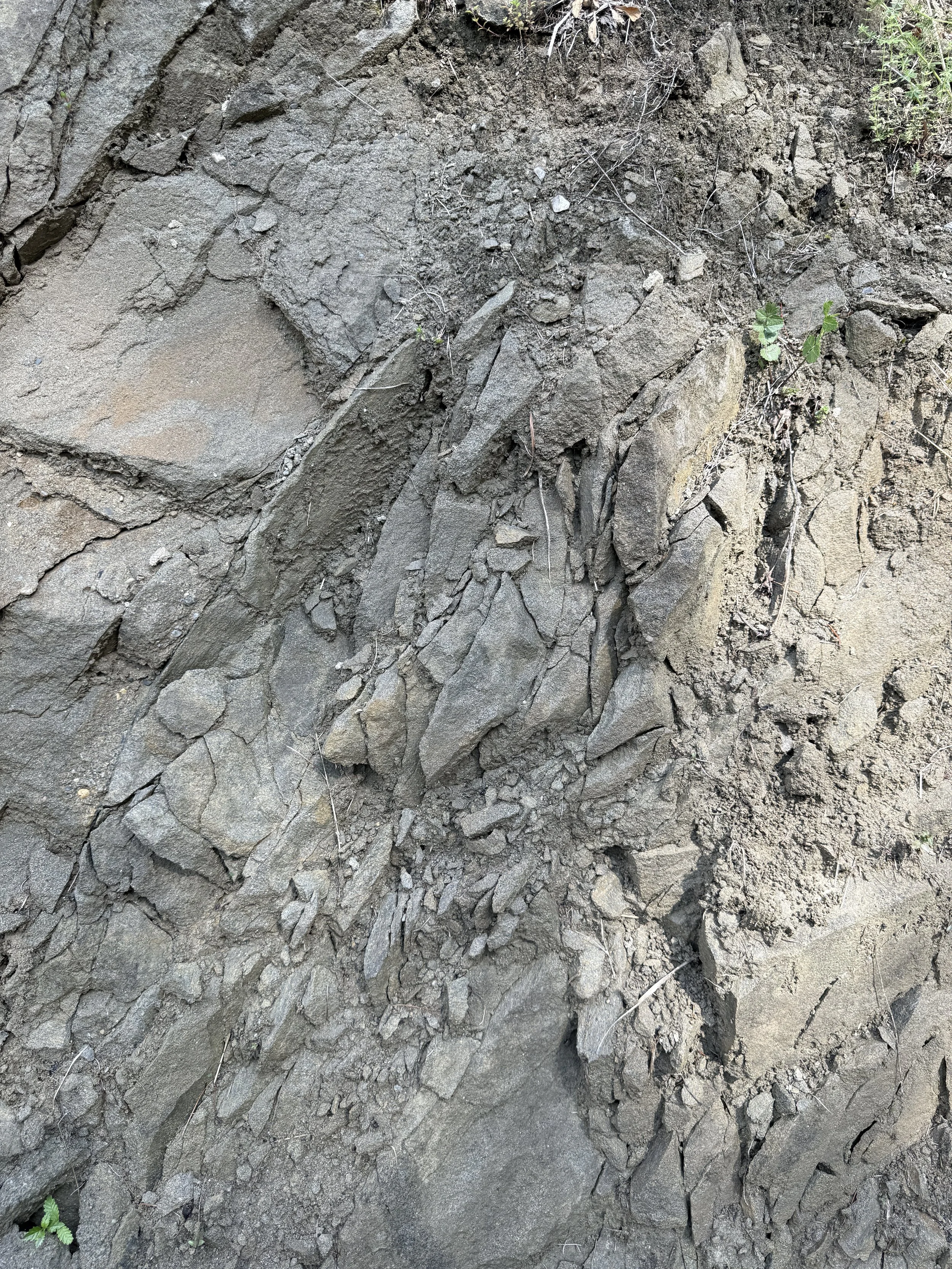
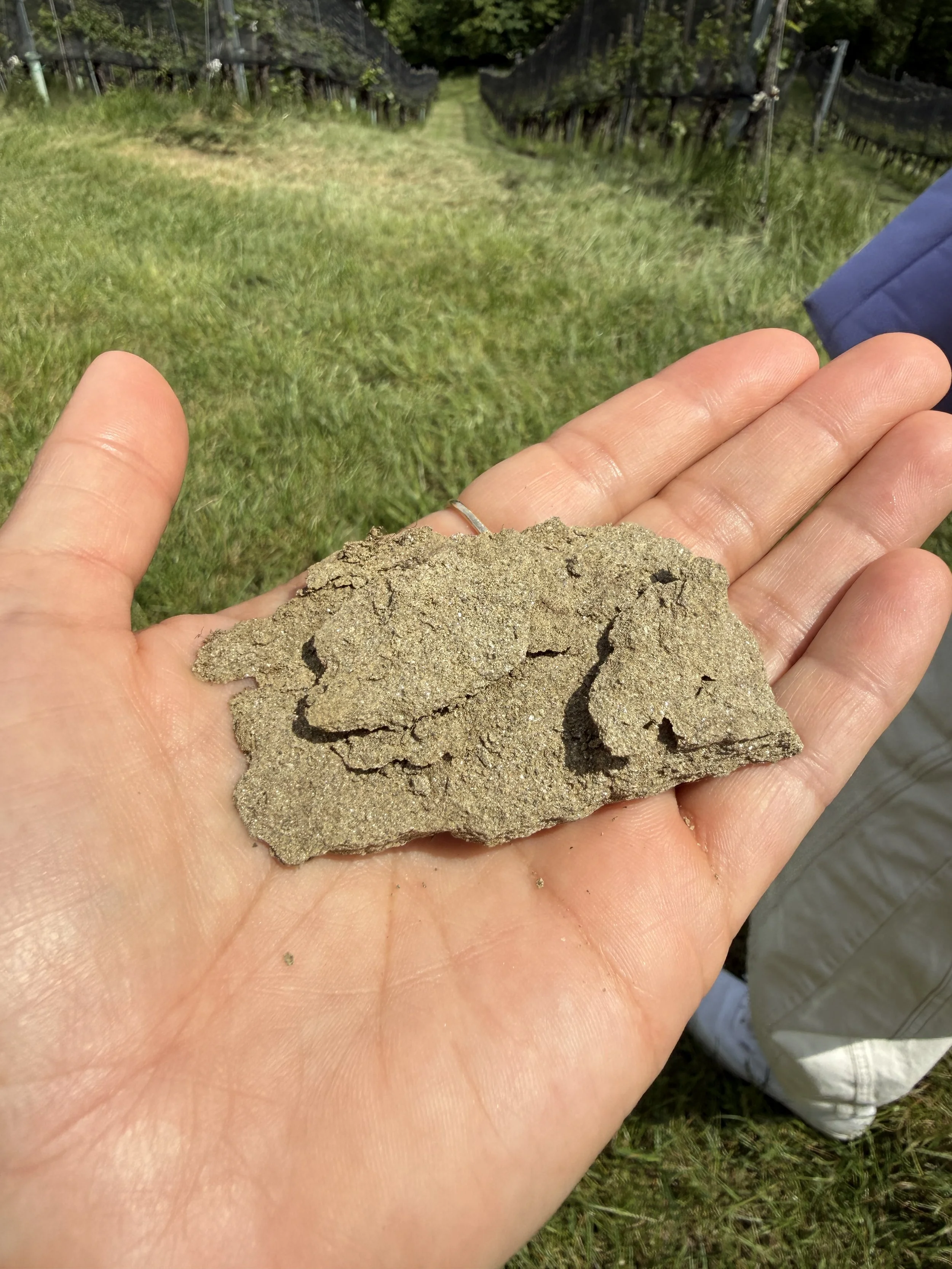
The village of Leutschach is the centerpoint for some of the most important and beloved natural wineries in South Styria. Muster, Werlitsch, Tscheppe and Tauss, all part of the dynamic Schmecke das Leben grower group, farm here. Surely you’ve heard of them. They’ve been integral to Austria being included in the far-reaching conversations about skin-contact and no-sulfur wines, and they share an incredibly special and unique soil called Opok. At first glance, it looks hard and compact and resembles slate or schist, but it is actually a dense, silty, friable marl that snaps like a Christmas gingerbread cookie and holds water incredibly well, a feature that’s absolutely necessary on the steep slopes here. Where there's more sand, the soil is brown; where clay dominates, it turns blue. In a region where limestone, sand, and clay are the norm, vineyards on this marl are a treasure. And not far up the road from the Schmecke crew, nestled on the Remschnigg hillsides, Herbert Sternat's Opok vineyards are thriving.
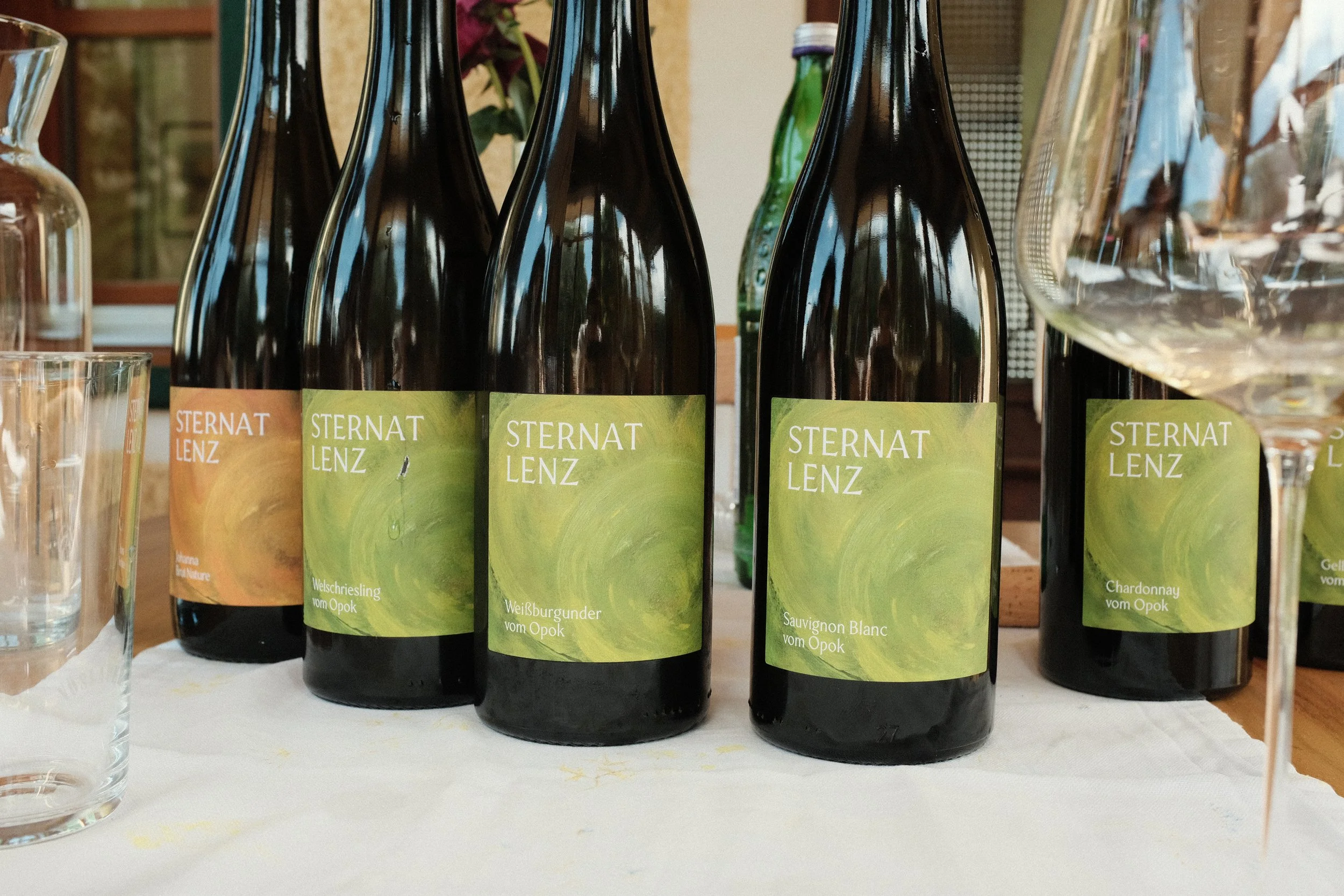
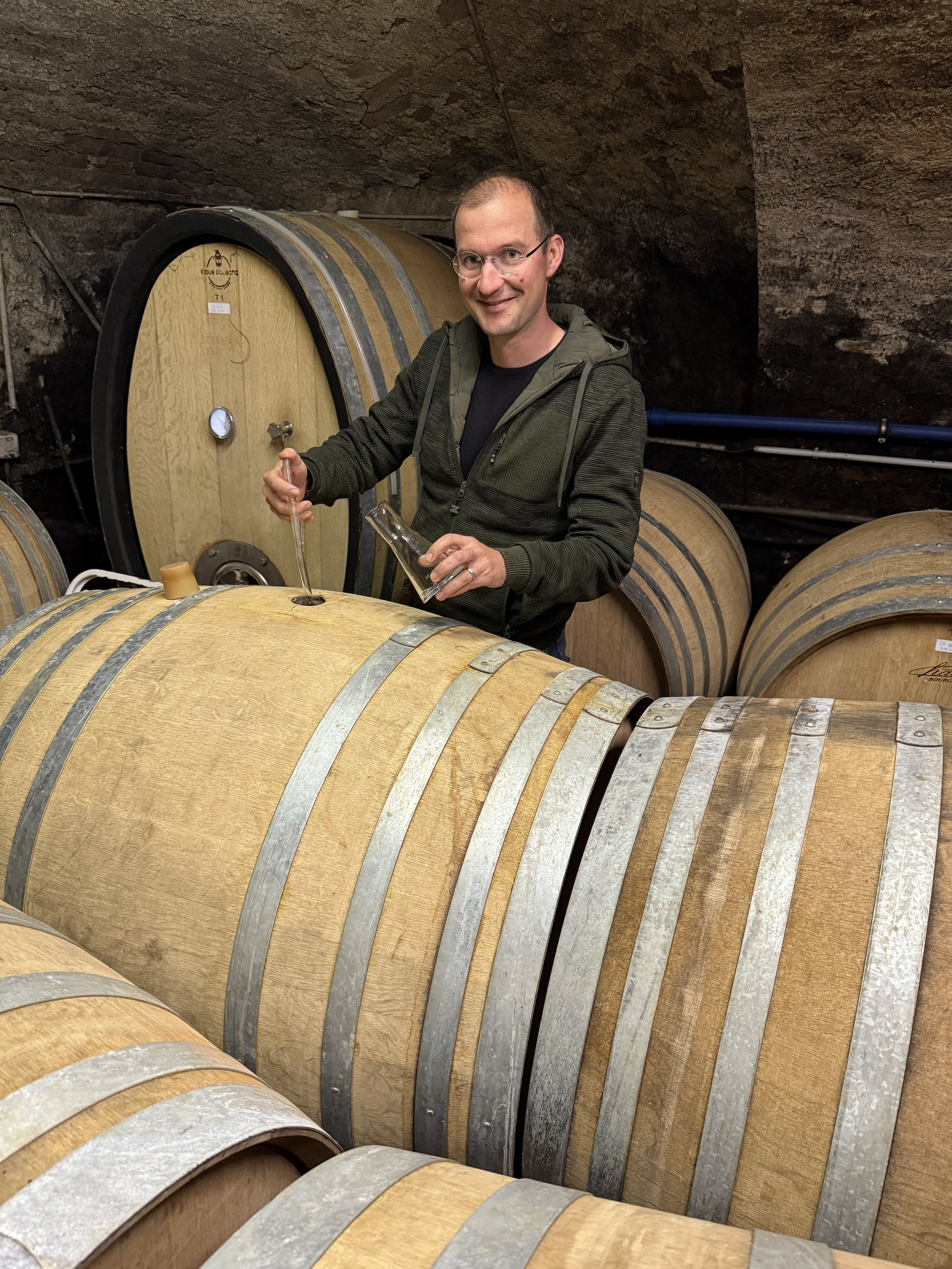
We were sent Herbert’s way via several growers we admire. You know this winemaker: one whose wines don’t shout, are endlessly enjoyable, have a place on every table. A winemaker’s winemaker. That’s Herbert. He’s been quietly making some of the most confident, earnest and beautiful wines in Austria, and damnit if we haven’t been left completely speechless more than once while drinking his wines. The Sternat’s holdings are tiny, just 6 hectares, and they have no desire to expand. The cellar is a mere 10 barrels deep with a handful of empty stainless tanks leftover from Herbert’s father’s winemaking days. Farming the big 5 of South Styria’s white varieties (Chardonnay, Sauvignon Blanc, Weissburgunder, Welschriesling, and Muskateller), Herbert treats them all the same, which is to say pristine biodynamic farming, picking at full ripeness, destemming and pressing low and slow, and fermenting and aging in puncheon. That’s it. Not a lick of sulfur, not a filter in sight. Release is anywhere from 2-3 years after harvest, depending on the wine. Nearly all of the wines are single-varietal bottlings, with the exception of a new Champagne method sparkling wine made in honor of his daughter, Johanna.
Don’t let the no-sulfur bit scare you. We have been stunned, time and time again, at how stable, expressive, and utterly delicious Herbert’s wines are. They ride the line of ripe and luxurious, yet electric and lively, with generous fruit being the unmistakable throughline. They’re truly in a league of their own, and we don’t think it will be long before Sternat Lenz is routinely in the same conversations as Sepp Muster and Ewald Tscheppe. We will never have a lot of Herbert’s wines to sell, and they will never be inexpensive. They’re a quality over quantity proposition, but for wines of this caliber, you’re hard pressed to find more soulful, joyous work anywhere in Austria.